Optimal Timing for Island Installations
Island installations require careful planning to ensure optimal conditions for construction and durability. The timing depends on weather patterns, sea conditions, and project scope. Proper scheduling can minimize delays and enhance installation quality.
Dry and calm weather periods are ideal for island installations to prevent delays caused by storms or high winds.
Low tide windows and calm seas facilitate safe access and transportation of materials to island sites.
Spring and early summer often offer the most stable weather for marine-based construction projects.
Longer projects benefit from scheduling during seasons with predictable weather patterns to reduce unforeseen disruptions.

Ways to make Island Installations work in tight or awkward layouts.
Popular materials for Island Installations and why they hold up over time.

Simple add-ons that improve Island Installations without blowing the budget.

High-end options that actually feel worth it for Island Installations.
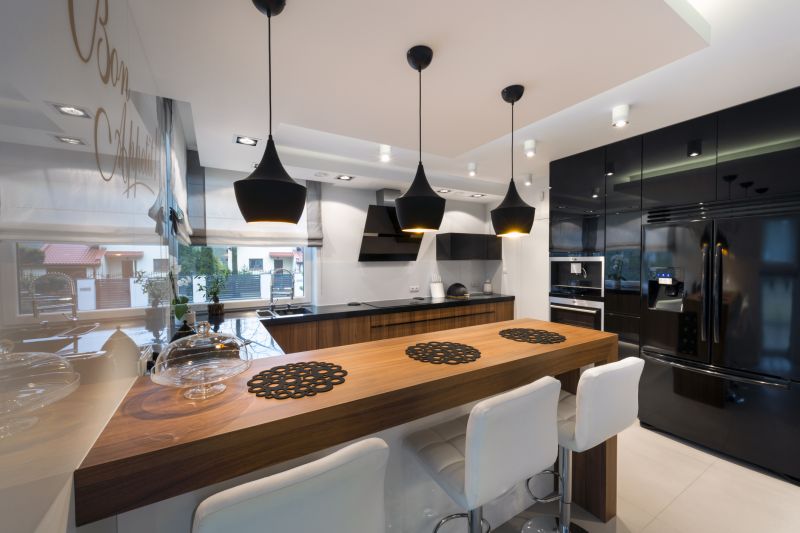
Finishes and colors that play nicely with Island Installations.

Little measurements that prevent headaches on Island Installations day.
| Season | Advantages |
|---|---|
| Spring | Stable weather, longer daylight hours, reduced storm risk. |
| Summer | Consistent weather, longer working hours, high visibility. |
| Autumn | Fewer storms, moderate sea conditions, good for planning. |
| Winter | Limited window due to storms, colder temperatures, higher risk. |
Island installations involve complex logistics and environmental considerations. Proper timing ensures safety, efficiency, and quality of construction. Weather conditions significantly influence planning, with calm seas and dry weather being critical factors. Seasonal variations can affect project timelines, with spring and summer generally offering more predictable conditions. Advanced planning and flexible scheduling can help mitigate delays caused by adverse weather or sea states.

A 60-second routine that keeps Island Installations looking new.
A frequent mistake in Island Installations and how to dodge it.

Small tweaks to make Island Installations safer and easier to use.
Lower-waste or water-saving choices for Island Installations.

The short, realistic tool list for quality Island Installations.
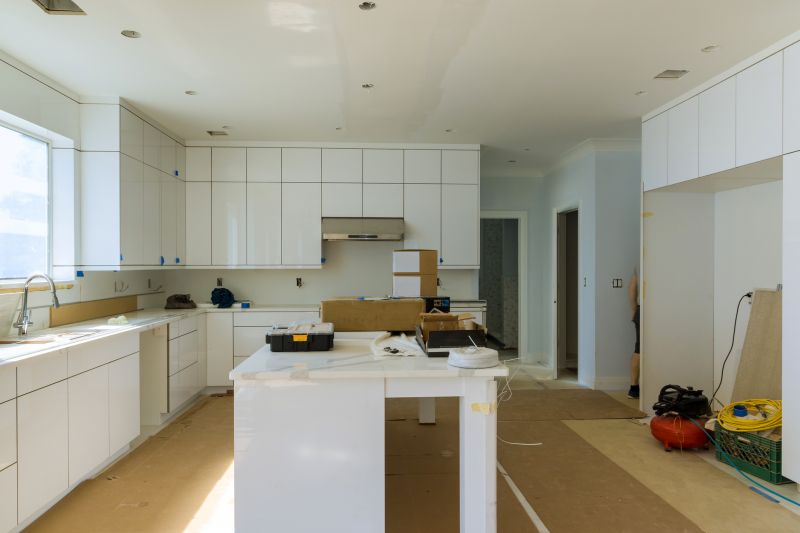
Rough timing from prep to clean-up for Island Installations.
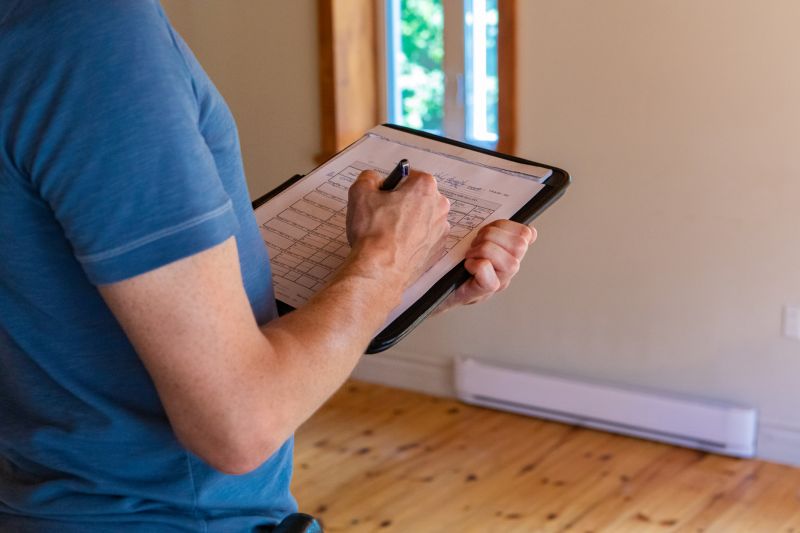
Quick checks and paperwork to keep after Island Installations.

Examples that show the impact a good Island Installations can make.

Ways to make Island Installations work in tight or awkward layouts.

Ways to make Island Installations work in tight or awkward layouts.
Interested in island installations? Filling out the contact form can provide tailored information and assistance for planning and scheduling projects effectively.